


26 February 2026

A new report titled "African Development Dynamics 2025: Infrastructure, Growth and Transformation," published in late November by OECD and the African Union Commission, highlights that Africa must invest $36 billion annually in fiber optic cables by 2040 to drive its productive transformation.
This figure accounts for roughly 23% of Africa’s total annual infrastructure needs, estimated at $155 billion, though it remains lower than investments required for roads ($50 billion) and railways ($38 billion).
Find out more12 February 2026
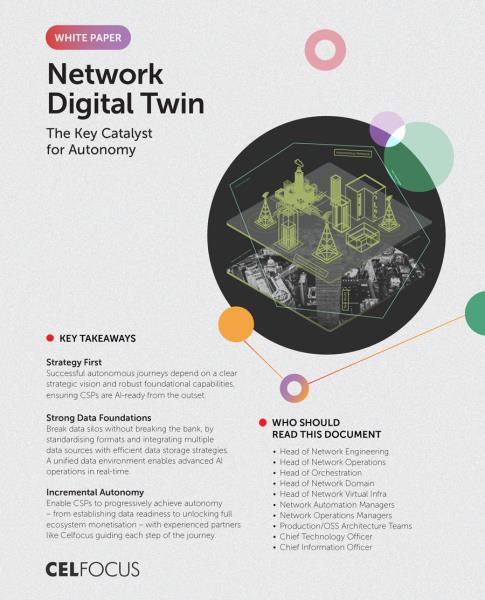
As telecommunications networks become more complex with 5G and cloud-native technologies, Communication Service Providers face increasing pressure to improve efficiency, resilience, and agility.
Network Digital Twins address these challenges by providing a dynamic, near real-time digital view of the network, unifying data across domains, enabling end-to-end visibility, faster issue resolution, and more informed decision-making. Together with intelligent agents, they enable the shift from reactive operations to predictive and autonomous network management.
Find out more
12 February 2026

Berg Insight has released the latest edition of its comprehensive smart city technology report, comprising in-depth studies of five key technology areas: smart street lighting, smart parking, smart waste collection, urban air quality monitoring and smart city surveillance.
In 2024, the global installed base excluding China of individually controlled smart street lights amounted to 27.9 million units. The corresponding figures for the smart waste and smart parking sensor technology markets were at the same time 1.56 million and 1.47 million units respectively. Smart parking sensors refers to in-ground or surface-mounted parking occupancy detection sensors whilst smart waste sensor technology consists of fill-level sensor devices that may either be pre-integrated into bins and containers, for example as a smart bin offering, or retrofitted on existing collection points.
Find out more16 January 2026
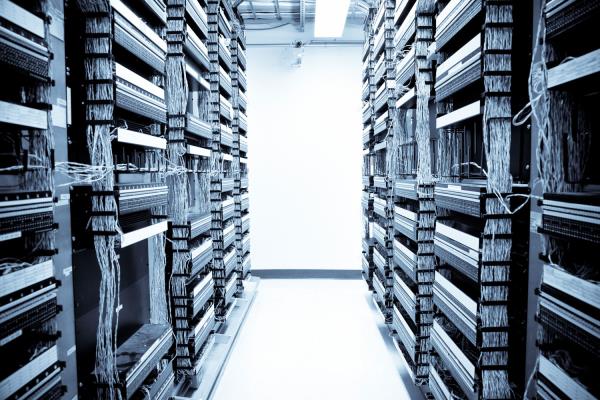
A recent report by Dubai World Trade Centre (DWTC), the organizer behind GITEX, highlights Africa’s accelerating push to establish a competitive digital economy, with data centers emerging as a critical pillar of the continent’s long-term technological development.
As governments and private operators expand infrastructure to meet surging demand for cloud computing, artificial intelligence, and digital financial services, data centers are becoming vital for housing the processing power and storage necessary for a thriving digital ecosystem.
Find out more