09 December 2025
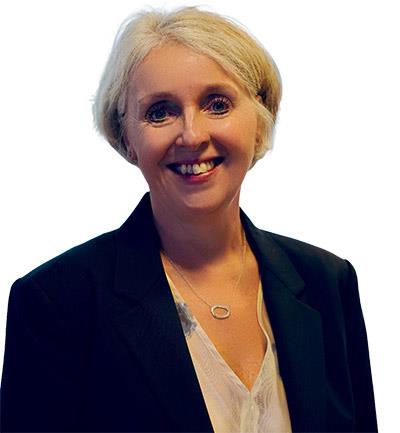
Kirsty Fitzgibbon - Vice President and Head of Marketing, Communications and SCR, Ericsson Europe Middle East and Africa
It’s absolutely fascinating to visit Kigali. It was my first visit to Rwanda, and what really strikes me is how strong the country’s technology foundation already is. Rwanda is a genuine tech hub, which makes it the perfect place to discuss how 5G can be a growth enabler and a driver of innovation across Africa.
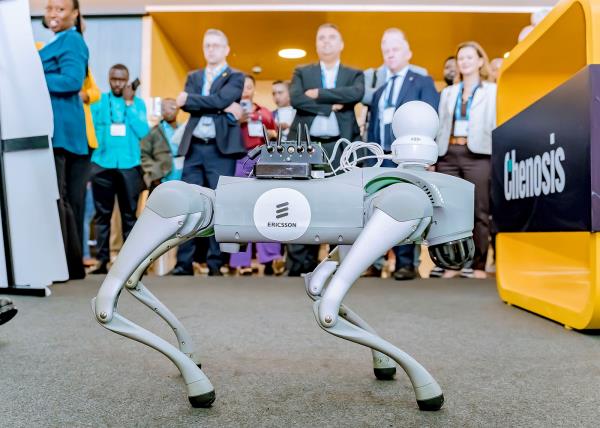
We’re excited to be partnering with companies like MTN here at Mobile World Congress Kigali to demonstrate not just the technology, but also its societal impact. Yes, 5G brings economic opportunities, but it also has the power to transform communities; whether through better connectivity, automation, or safety solutions.
Ultimately, it’s all about partnership and progress. Africa has enormous potential, and Ericsson is deeply committed to helping the continent grow through technology, innovation, and collaboration.
I think everyone working in this space feels the importance of authenticity, of telling real stories that show the true impact of what we do. That’s central to Ericsson’s values and to my personal philosophy as a communicator.
Marketing isn’t just about showcasing technology; it’s about storytelling with purpose. We want people to see and feel the change our technology brings — whether it’s enabling businesses, connecting communities, or building digital skills for the future.
Africa offers us an incredible opportunity to highlight stories of innovation, entrepreneurship, and empowerment. With our partners and the brilliant talent within Ericsson, we’re proud to bring those stories to life and demonstrate how technology truly transforms lives.
Sustainability isn’t a “nice to have” for us — it’s at the heart of our strategy. Ericsson has set ambitious Net Zero targets: by 2030, we aim to achieve Net Zero in our own operations, and by 2040, across our entire value chain.
We’re building energy efficiency directly into our products. For example, our latest radio units have achieved a 40% reduction in energy use since 2021, and a 30–35% reduction in weight. That translates into lower emissions across the supply chain and easier deployment for our partners.
We’re also proud of our electrical and electronic waste management (or e-waste) program, which helps customers recycle and reuse equipment at no cost. Up to 98% of our returned equipment is recycled or repurposed.
Sustainability is not only about reducing our footprint but also about innovation and working actively towards full circular economy practices. It’s reflected in the way we design, produce, and manage our products and services, creating greener, more efficient digital services that drive Africa’s digital transformation in a more climate-responsible way.
What really struck me during MWC Kigali was how unified the message of collaboration was — from President Kagame to ministers, regulators, and industry leaders. Everyone agrees that we can’t bridge the digital divide alone.
Public-private partnerships are absolutely vital. For example, our partnership with UNICEF in support of Giga’s aims to bridge the digital divide by connecting every school to the internet initiative is a testament to what can be achieved when we unite for a common cause. Ericsson was the first private sector partner to make a multimillion-dollar commitment to UNICEF and ITU’s Giga initiative and has supported Giga in mapping more than 2.1 million schools, increasing access to connectivity for 14,500 schools and connecting more than 7.79 million students to the internet.
On a more local level, we’ve worked with organisations like Yas Senegal and the Ministry of Education to deliver affordable, quick-to-deploy Fixed Wireless Access to schools, with devices, teacher and learner training and access to digitised curricula and the world of internet content, ensuring an end-to-end fully digital education ecosystem. We’ve also collaborated with the Smart Africa Digital Academy, training over 100 policymakers from 19 African countries in digital technologies, AI, and 5G. And through our partnership with AXIAN Telecom, we are committed to digitally upskilling even more young people across Africa in 5G, AI, and automation. We will work closely with local partners to develop tailored strategies that address the unique needs of youth in each market.
It’s about collective progress; combining strengths to drive economic development and societal change. And as a mother, I feel particularly inspired by how this collaboration can unlock the potential of the next generation, wherever they start from.
Fintech is one of the most exciting areas for us. Through partnerships like MTN’s mobile financial platform, powered by Ericsson Wallet, we’re enabling financial inclusion for millions.
In Uganda, for example, we’ve worked directly with women running market businesses, helping them use mobile finance tools to manage transactions and grow their enterprises. It’s a powerful example of how technology can empower entrepreneurs and communities.
Beyond fintech, our Ericsson Educate initiative builds digital and AI literacy, often in partnership with organisations like AXIAN Telecom. Across Kenya, Uganda, and beyond, we’re helping young people and women gain the skills they need for future jobs and innovation.
Our goal is simple: connect the unconnected, empower the underserved, and make sure everyone — from entrepreneurs to students — has access to digital opportunity.
Every country has its own priorities and starting points, and with Ericsson operating in around 180 markets, that diversity we see it as an opportunity rather than a hurdle.
Connectivity is our core focus globally, and in Africa, that mission takes on a special meaning. By combining our global expertise with local presence — people who live and work in these communities — we can tailor solutions that make a real impact.
That’s what makes Ericsson unique: we’re a global company with local roots. Our teams on the ground truly understand what’s needed and how to adapt our technology for local realities.
Africa is full of potential, and our commitment to the continent is unwavering. We’re proud to partner in its growth story: not just as engineers, but as people genuinely invested in its future.