


20 March 2026
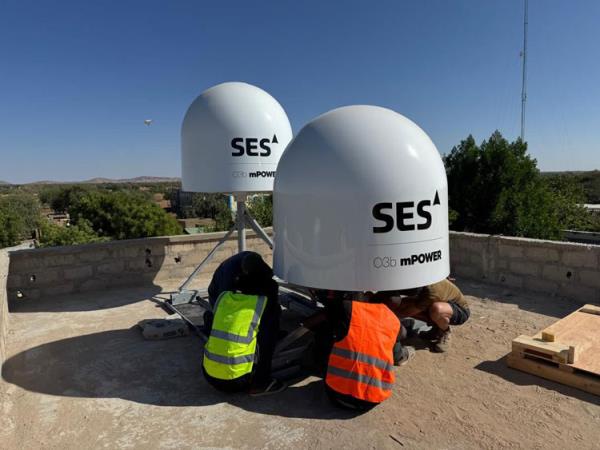
SES, a space solutions company, is expanding humanitarian connectivity at the Farchana refugee settlement in Chad in cooperation with emergency.lu, the public-private partnership led by Luxembourg’s Ministry of Foreign and European Affairs, Defence, Development Cooperation and Foreign Trade and the UN Refugee Agency.
Find out more11 March 2026
.jpg?lu=439)
Dawie de Wet, CEO of Q-KON
The South African and wider African telecommunication industries are highly regulated – and with good reason. It was this regulatory framework that underpinned the success of investments in mobile networks and ultimately, the incredible growth of mobile services across Africa. Yes, any regulatory framework should be dynamic and able to adapt to changing circumstances in order to achieve a balance between incorporating emerging technologies and protecting national interests. However, there is also strength to be found in a certain degree of rigidity.
Find out more
09 March 2026
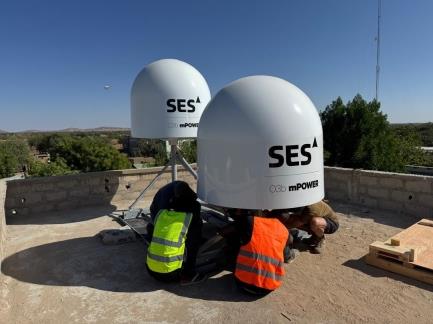
This is the first emergency.lu deployment using O3b mPOWER satellites in Medium Earth Orbit (MEO) for rapid disaster-response missions.
SES, a space solutions company, is expanding humanitarian connectivity at the Farchana refugee settlement in Chad in cooperation with emergency.lu, the public-private partnership led by Luxembourg’s Ministry of Foreign and European Affairs, Defence, Development Cooperation and Foreign Trade and the UN Refugee Agency.
In the framework of the Connectivity for Refugees initiative, the deployment uses SES’ O3b mPOWER satellite network to provide dependable, high-speed internet for humanitarian teams and essential services for refugees.
Find out more03 March 2026
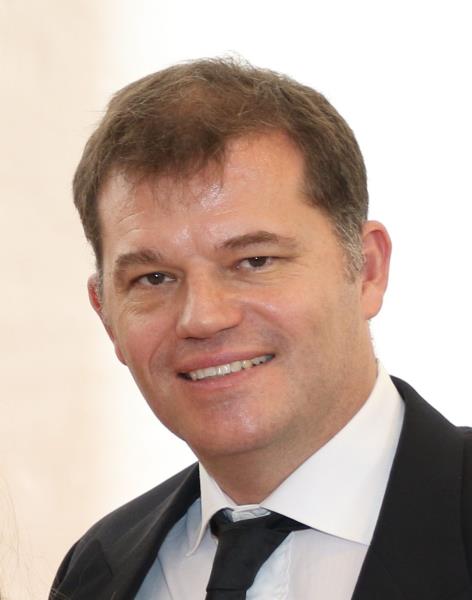
Jens Langenhorst, Specialist RF Engineer and Vice Chair of WAPA (Wireless Access Providers Association)
The South African media landscape has been saturated with Starlink coverage for months. Every ministerial statement, every regulatory development, every parliamentary objection becomes headline news. Yet amid this relentless coverage, a curious question emerges: why Starlink specifically?
The regulatory challenges facing Elon Musk's satellite service aren't unique. Major global technology companies have long navigated South Africa's Broad-Based Black Economic Empowerment (B-BBEE) framework when entering the market.